

Coffee Machine
Add a reviewOverview
-
Founded Date July 12, 2020
-
Sectors Design/Drafting
-
Posted Jobs 0
-
Viewed 6
Company Description
Are You Getting The Most Out The Use Of Your Manual Espresso Machine?
The Art of Coffee Crafting: A Comprehensive Guide to Manual Espresso Machines
Espresso is often hailed as the lifeblood of coffee culture. For coffee lovers, the best method to indulge in this rich, concentrated coffee drink is to utilize a manual espresso machine. Unlike their automatic counterparts, manual espresso machines need a hands-on technique, allowing the barista to have complete control over the developing process. In this article, we will explore the world of manual espresso machines, their functions, how to utilize them successfully, and pointers on keeping them for durability.
What is a Manual Espresso Machine?
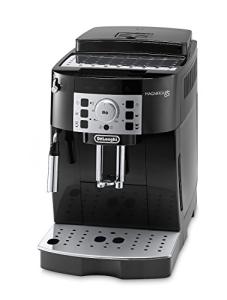
A manual espresso machine, frequently called a lever espresso machine, is a kind of coffee machine that depends on human power to extract espresso. Unlike automated or semi-automated machines, manual machines do not count on electrical parts for developing. Instead, they use mechanical levers to develop pressure, pressing water through carefully ground coffee.
Secret Features of Manual Espresso Machines
| Function | Description |
|---|---|
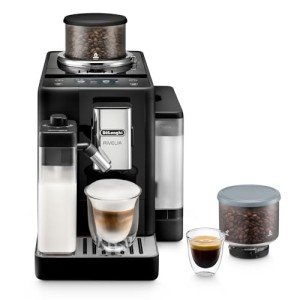
| Pressure System | Uses a lever system to produce the required pressure (typically in between 9 to 10 bars) for extraction. |
| Boiler Type | Usually uses single or double boilers; some machines have heat exchangers. |
| Durability | Typically developed with stainless-steel and brass for durability and remarkable heat retention. |
| Customization | Permits fine-tuning of pressure and water temperature, resulting in a customized coffee experience. |
| Learning Curve | Needs ability to master the developing process for optimum extraction. |
Advantages of Using a Manual Espresso Machine
Manual espresso machines have ended up being increasingly popular for various factors, providing unique benefits that appeal to coffee fanatics:
-
Complete Control: Users have full control over the developing process, including the grind size, tamping pressure, and extraction time.
-
Quality Aroma and Flavor: With a correct technique, manual machines can produce remarkable espresso, emphasizing the coffee’s natural flavors and fragrances.
-
Aesthetic Appeal: Many manual machines are classic or vintage in look, typically crafted from high-quality materials that improve the kitchen area’s visual.
-
Longevity and Maintenance: These machines typically last longer than automatic ones due to their simple mechanics and fewer electrical elements.
-
Experience and Connection: The manual brewing process invites an engaging experience, permitting users to connect more totally with their coffee.
Top Manual Espresso Machines on the marketplace
| Brand name | Model | Rate Range | Secret Features |
|---|---|---|---|
| La Pavoni | Europiccola | ₤ 800 – ₤ 1,200 | Classic style, lever-operated, retro aesthetics |
| Style Espresso | Style Espresso Pro | ₤ 200 – ₤ 300 | Portable, light-weight, affordable |
| Elekta | Microcasa | ₤ 1,500 – ₤ 2,000 | Top quality build, compact size, outstanding steam power |
| Rok | Manual Espresso Maker | ₤ 150 – ₤ 200 | Easy operation, sustainable, Portable Espresso Maker |
| Bezzera | Strega | ₤ 2,000 – ₤ 3,000 | Dual boiler, PID temperature control, excellent pressure stability |
How to Use a Manual Espresso Machine
Utilizing a manual espresso machine includes a couple of important steps. Here’s a general guide to starting:
Step-by-Step Guide
-
Collect Your Tools: You will require newly roasted coffee beans, a grinder (ideally burr grinder), a tamper, and your manual espresso machine.
-
Grind the Coffee: Grind your coffee beans to a fine consistency. A great beginning point is 18-20 grams of coffee for a double shot.
-
Prepare the Machine: Fill your water reservoir with fresh, filtered water. Pre-heat the machine by pulling a blank shot (using just hot water) to make sure ideal brewing temperature.
-
Tamp the Coffee: Distribute and tamp the coffee evenly to make sure uniform extraction. Apply firm pressure; around 30 pounds of force is typically reliable.
-
Extract the Espresso: Engage the lever slowly to develop pressure. Keep consistent, smooth pressure for 25-30 seconds to extract your espresso.
-
Serve and Enjoy: Once the espresso has actually been drawn out, serve it instantly in a pre-warmed cup, taking pleasure in the rich flavors and scents.
Maintenance Tips for Manual Espresso Machines
Correct maintenance is important to keep the manual espresso machine in leading condition. Here are some pointers:
-
Daily Cleaning: After each usage, tidy the portafilter, filter basket, and drip tray to avoid residue build-up.
-
Descaling: Perform descaling regularly, especially if you live in a location with hard water. Use commercial descalers made for coffee machines or a vinegar solution.
-
Lubrication: For lever mechanisms, routine lubrication might be required to ensure smooth operation.
-
Inspect the Gaskets: Regularly check the rubber gaskets for wear and tear; change them if essential to avoid leakages.
-
Store Properly: Keep the machine in a dry environment and cover it when not in use to avoid dust build-up.
Often Asked Questions (FAQs)
Q1: Do I require to buy a grinder with a manual espresso machine?
A1: Yes. A burr grinder is extremely suggested as it produces constant grind-sized coffee, essential for optimum extraction.
Q2: How long does it take to discover how to use a manual espresso machine?
A2: Training can differ from person to person. With practice, you can produce decent Espresso And Cappuccino Machine within a couple of days to weeks while mastering the subtleties might take longer.
Q3: Can I make other coffee beverages with a manual espresso machine?
A3: Yes! You can use the espresso base to produce various beverages, consisting of lattes, cappuccinos, and Americanos.
Q4: Is a manual espresso machine easy to clean up?
A4: While it involves more manual effort compared to automatic machines, routine cleansing routines make it workable. The absence of complex parts often simplifies the cleaning procedure.
Q5: Are manual espresso machines expensive?
A5: Prices vary commonly, ranging from budget options to high-end models. Nevertheless, investing in quality can yield exceptional espresso and increased longevity.
Manual espresso machines represent a distinct blend of artistry, proficiency, and appreciation for the elaborate procedure of coffee developing. They supply an improving experience that connects coffee fans to their beverage more thoroughly. By following the guidelines laid out in this post, aiming baristas can master the art of espresso extraction, creating flavorful brews that are not simply drinks but a testimony to the craft of coffee making. With proper care and practice, a manual espresso machine can act as a trusted companion on your coffee journey for many years to come.